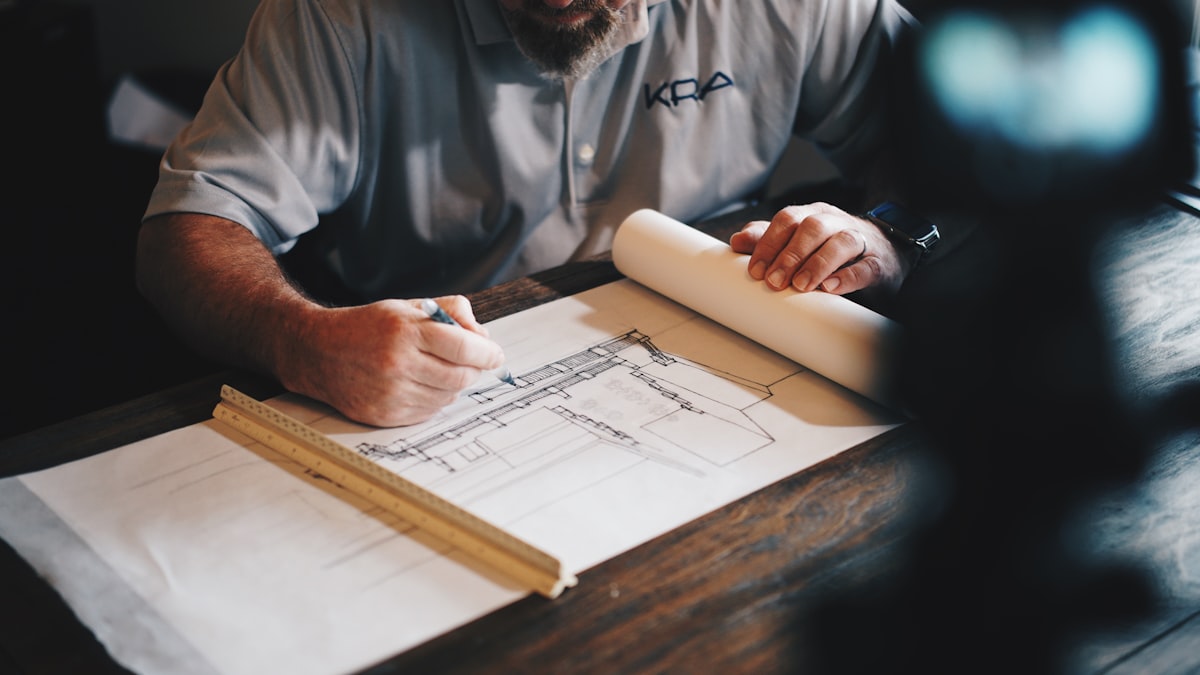
Leaders in Quality Construction and Infrastructure
In an era defined by rapid urbanization, climate resilience, and sustainable development, the role of quality construction and infrastructure has never been more critical. Leaders in this field are not only shaping the physical landscape of cities and regions but also setting new benchmarks for safety, efficiency, innovation, and environmental responsibility.
Defining Quality in Construction and Infrastructure
Quality in construction and infrastructure goes beyond adherence to specifications—it encompasses durability, safety, sustainability, cost-effectiveness, and long-term performance. Quality leaders ensure that every project, from a residential building to a high-speed rail network, meets or exceeds engineering standards, regulatory requirements, and stakeholder expectations.
Key Attributes of Leading Construction and Infrastructure Professionals
1. Innovation and Technology Integration
Modern leaders leverage cutting-edge technologies such as Building Information Modeling (BIM), drones, AI-driven project management, and smart sensors to enhance precision, reduce waste, and improve project timelines. These tools enable real-time monitoring, predictive maintenance, and data-driven decision-making.
2. Sustainability and Environmental Stewardship
Top-tier leaders prioritize green building practices, energy-efficient designs, and low-carbon materials. They integrate climate resilience into infrastructure planning—designing flood-resistant roads, heat-adaptive buildings, and renewable energy-integrated systems to meet global sustainability goals.
3. Stakeholder Collaboration
Successful projects emerge from strong partnerships between government agencies, private developers, engineers, local communities, and environmental groups. Quality leaders foster transparent communication, inclusive planning, and shared accountability to ensure projects serve public needs effectively.
4. Compliance and Safety Standards
Adherence to international standards (e.g., ISO 9001, LEED, or local building codes) is non-negotiable. Leaders implement rigorous quality control processes, conduct regular audits, and prioritize worker safety to prevent accidents and ensure long-term structural integrity.
5. Project Lifecycle Management
Quality leaders manage projects from concept to decommissioning. They emphasize lifecycle cost analysis, maintenance planning, and adaptability to future demands—ensuring infrastructure remains functional, safe, and cost-effective over decades.
Global Examples of Quality Leadership
- China’s High-Speed Rail Network: A model of precision engineering and operational excellence, showcasing how quality planning and execution can transform transportation infrastructure.
- Singapore’s Smart Nation Initiative: Integrates advanced technology and sustainable design into urban development, setting a global standard for quality and innovation.
- The Netherlands’ Water Management Systems: A testament to resilient infrastructure, where quality construction ensures long-term protection against flooding and climate change.
- India’s Bharatmala and Smart Cities Mission: Demonstrating how large-scale infrastructure projects can be delivered with quality, transparency, and community engagement.
The Future of Quality Construction and Infrastructure
As the world faces rising population pressures, climate change, and digital transformation, leaders in construction and infrastructure must evolve. Emerging trends such as circular economy principles, modular construction, and decentralized energy grids will require visionary leadership that balances innovation with ethical responsibility.
Conclusion
Leaders in quality construction and infrastructure are the architects of a safer, smarter, and more sustainable world. By combining technical expertise with a commitment to people, the environment, and long-term value, they ensure that the foundations of modern society are built not just to last—but to thrive. Their work is not just about constructing buildings and roads; it is about building trust, resilience, and a better future for generations to come.